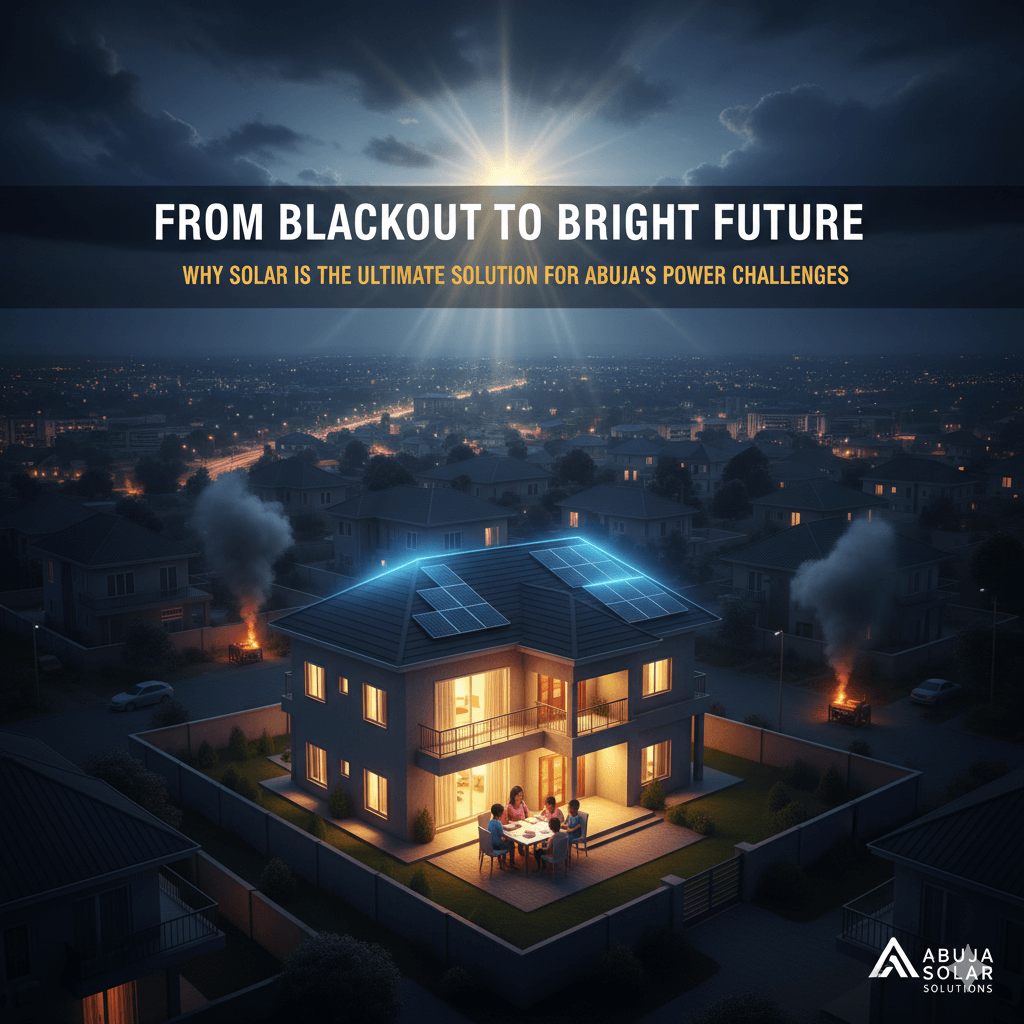

The hum of generators, the sudden plunge into darkness, the constant anxiety over the next electricity bill – these are familiar realities for many Abuja residents. In a city striving for modernity, consistent power supply remains a luxury rather than a given. This power struggle, combined with economic uncertainties, has led many to consider “Japa” – the Nigerian slang for emigrating – in search of better living conditions.
But what if there was a way to “Japa-proof” your budget right here in Abuja, turning the frustration of blackouts into a bright, financially sensible future? The answer, increasingly, lies in solar power.
For years, solar energy was seen as a futuristic, expensive alternative, only accessible to the ultra-rich or large corporations. That perception, however, is rapidly changing. Today, thanks to advancements in technology, falling costs, and the undeniable economic realities in Nigeria, investing in solar power in Abuja isn’t just an eco-conscious choice – it’s a shrewd financial decision that offers tangible savings and unparalleled peace of mind.
The True Cost of Darkness: Why Your Current Power Solution is a Leaky Bucket
Let’s be brutally honest about the status quo. What are you currently spending on power?
- Astronomical PHCN/AEDC Bills: Even when power is supplied, the estimated bills often feel exorbitant, and the actual supply can be intermittent. The rising tariffs are a constant source of stress for households and businesses alike.
- Generator Fuel (Petrol/Diesel): This is arguably the biggest money pit. A typical small generator for a household can easily consume 2-5 litres of fuel per day, which at current prices translates to thousands of Naira weekly, and tens of thousands monthly. For businesses, these figures skyrocket. And let’s not forget the recent fuel subsidy removal and its impact.
- Generator Maintenance & Repairs: Spark plugs, oil changes, carburetor issues, engine wear and tear – generators are high-maintenance machines that require regular servicing and costly repairs, especially when used frequently.
- Inverter Battery Replacements: Many homes already have basic inverter setups, but the lead-acid batteries often need replacing every 1-3 years, a significant recurring expense.
- Hidden Costs: The noise pollution, air pollution, the stress of constantly monitoring fuel levels, the impact on appliances due to unstable power – these are real costs, even if they don’t appear on a receipt.
When you add up these expenses over a year, you’ll likely be shocked at the sheer amount of money you’re literally burning. This “leaky bucket” approach to power consumption is financially unsustainable and environmentally damaging.
The Solar Advantage: Beyond Just “No More Blackouts”
While the promise of uninterrupted power is alluring enough, the financial benefits of solar power in Abuja are what truly make it a “Japa-proof” investment.
1. Predictable, Drastically Reduced Energy Bills
Once your solar system is installed, your primary energy source – the sun – is absolutely free. This means your reliance on the grid (and its unpredictable tariffs) significantly decreases, if not vanishes entirely during daylight hours and often through the night with adequate battery storage. Imagine a future where your electricity bill is a fraction of what it is today, or even negligible. This stability allows for better budgeting and frees up funds for other essential needs or investments.
2. Long-Term Investment, Not Recurring Expense
Unlike fuel, which is a constant, depreciating expense, a solar power system is an asset. Modern solar panels come with performance warranties of 20-25 years, meaning they will reliably generate power for decades. High-quality lithium-ion batteries, though a larger upfront cost, can last 7-15 years or more, drastically reducing the frequency of battery replacements compared to traditional lead-acid options. You are investing in a future of free electricity.
3. Protection Against Inflation & Fuel Price Hikes
The Nigerian economy is volatile, and fuel prices are particularly susceptible to global events and policy changes. Investing in solar power acts as a powerful hedge against this inflation. As fuel prices inevitably rise, your cost of generating power remains constant (zero for the sun, and minimal for maintenance). This financial independence provides immense stability in an unstable economic climate.
4. Increased Property Value
A home or business equipped with a reliable, modern solar power system is a significantly more attractive property in Abuja’s real estate market. Buyers are increasingly aware of the ongoing costs of power and will pay a premium for a property that offers energy independence. Your solar installation isn’t just a utility; it’s an upgrade that adds tangible value to your asset.
5. Reduced Maintenance and Operational Costs
Compared to the constant fueling and servicing of generators, a solar power system requires minimal maintenance. Panels typically need occasional cleaning, and inverters/batteries are largely hands-off once installed correctly. This translates to fewer service calls and lower recurring expenses.
The Numbers Don’t Lie: A Hypothetical Abuja Scenario
Let’s consider a typical Abuja home that currently spends:
- ₦25,000 – ₦50,000 on estimated AEDC bills (when available)
- ₦30,000 – ₦70,000 on generator fuel monthly
- ₦5,000 – ₦10,000 on generator maintenance/repairs annually (or more)
Total average monthly power expense: ₦60,000 – ₦130,000+
Over 5 years, this could easily amount to ₦3.6 million – ₦7.8 million+, all on expenses that yield no long-term asset.
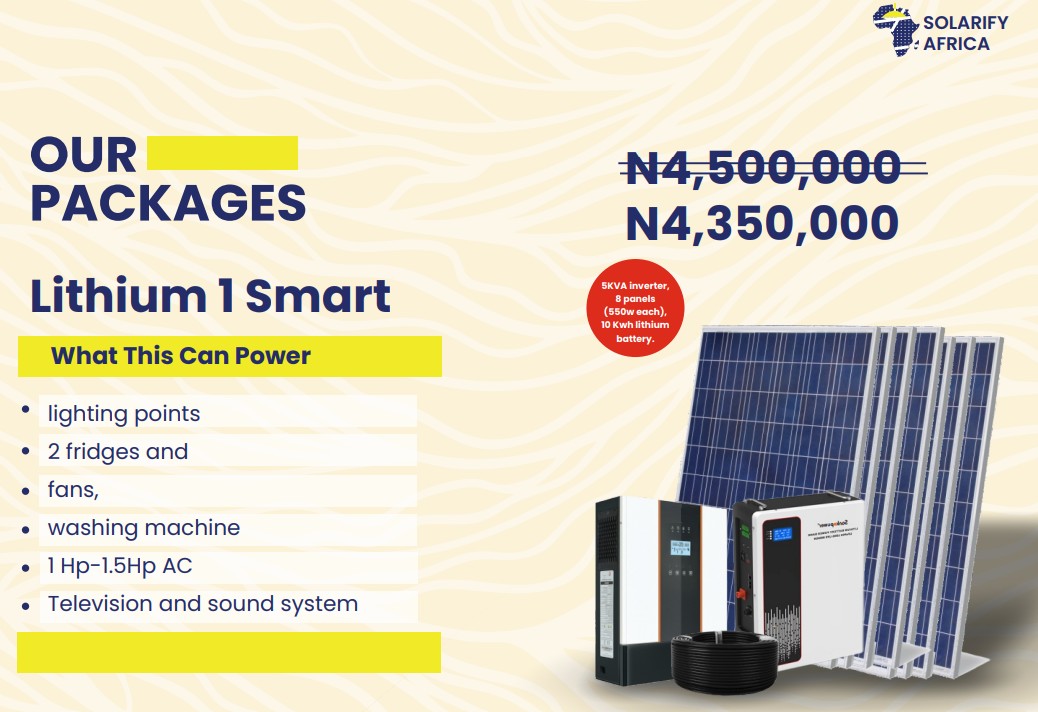
Now, consider a robust solar system (e.g., 5kVA inverter, 10-12 solar panels, 10-15kWh lithium batteries) sufficient to power such a home for 24/7 reliability. The upfront investment might range from ₦3 million to ₦7 million, depending on brands and system complexity.
While this is a significant upfront cost, look at the difference:
- Year 1: You’ve paid for your system. Your monthly power expenses plummet to near zero (or drastically reduced AEDC bills).
- Year 2-5: You are enjoying free, reliable power. The money you would have spent on fuel and high electricity bills is now savings, effectively paying off your initial investment.
- Beyond Year 5: You are literally generating free electricity for another 15-20 years from your panels, and likely another 5-10 years from your batteries. The system has paid for itself and is now generating pure savings.
The Return on Investment (ROI) for solar in Nigeria, given our current energy crisis, is remarkably fast – often within 3-6 years, sometimes even quicker for high-consumption users.
Making the Switch: Your Path to Financial Freedom in Abuja
You might be thinking, “This sounds great, but where do I start?” The key is partnering with a reputable, experienced solar provider right here in Abuja. Look for a company that:
- Understands the Local Context: They know the common power issues in various Abuja districts, from Maitama to Lugbe.
- Offers Tailored Solutions: No two homes or businesses are alike. They should provide a custom quote based on your specific energy consumption patterns and budget.
- Uses Quality Components: Insist on reputable brands for panels, inverters, and batteries, backed by strong warranties.
- Provides Excellent Installation & After-Sales Support: Proper installation is crucial for system longevity, and reliable support ensures peace of mind.
At [Your Company Name], we have helped numerous Abuja residents and businesses transition from the frustration of erratic power to the stability and savings of solar. We understand the unique challenges and opportunities of the Abuja energy landscape. Our expert team will guide you through every step, from initial energy audit and system design to professional installation and ongoing support.
Stop Burning Your Money, Start Harvesting the Sun
The decision to invest in solar power is more than just an energy upgrade; it’s a strategic financial move, an investment in your peace of mind, and a definitive step towards “Japa-proofing” your budget against the uncertainties of Nigeria’s power sector.
Don’t let blackouts dictate your quality of life or erode your finances. Embrace the bright future that solar energy offers. It’s time to stop paying for darkness and start harnessing the abundant Abuja sunshine for a truly stable and sustainable tomorrow.